




Support Squad Reduced Escalations
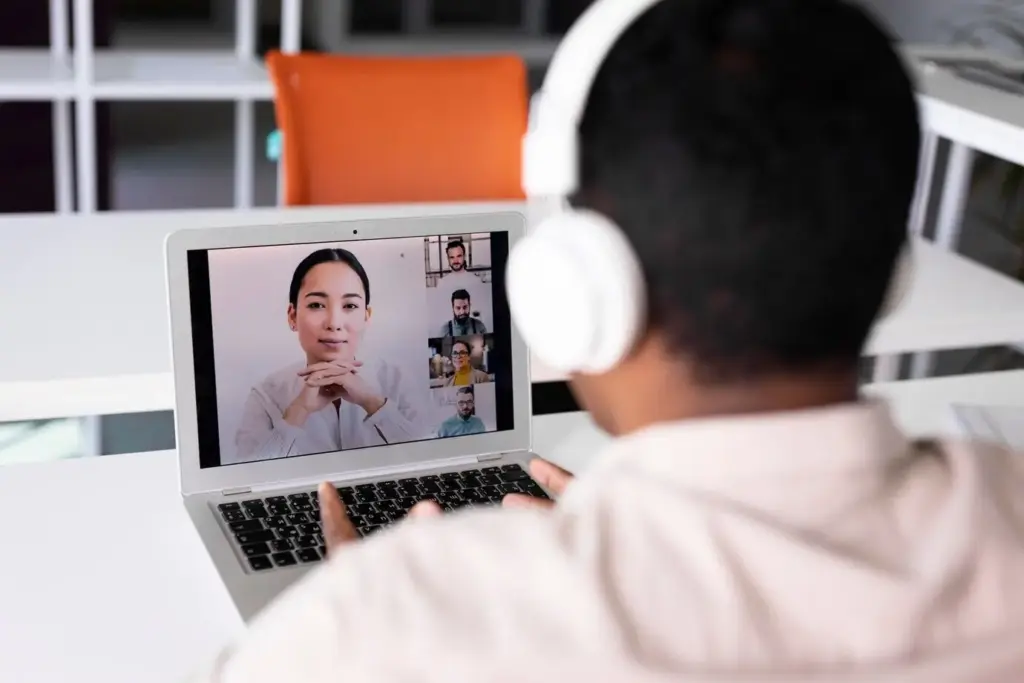
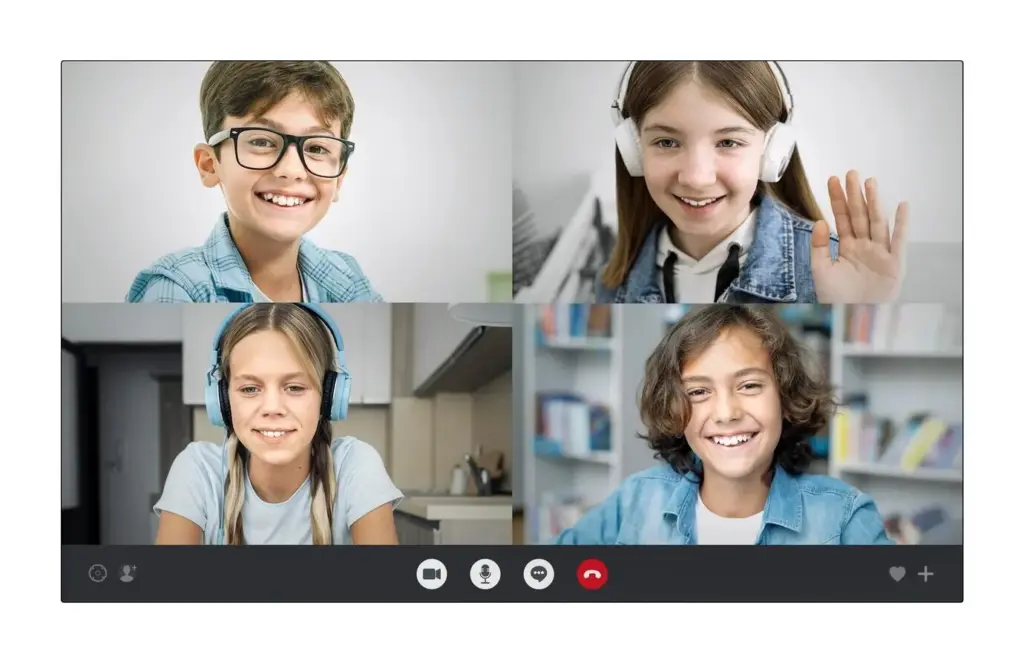
A global support team used tone translation drills and intent labeling to rewrite tricky replies. Agents practiced summarizing customer emotions before offering solutions. Within two months, escalations dropped notably, while survey comments praised empathy and clarity. Managers noticed fewer Slack pings for help, as checklists and reflection templates coached steady improvement. Confidence rose, and new hires ramped faster with recorded examples.

Product Crew Streamlined Handoffs
A product squad spanning five time zones adopted decision logs and read-back rituals from the kit. Designers and engineers rehearsed concise updates, clarified ownership, and agreed on fallback windows. Missed dependencies decreased significantly, and cycle time tightened. Retrospectives felt calmer because disagreements were documented early. The kit’s async prompts encouraged careful thought, lifting quality and reducing last-minute scramble sessions before releases.
New Manager Cohort Gained Confidence
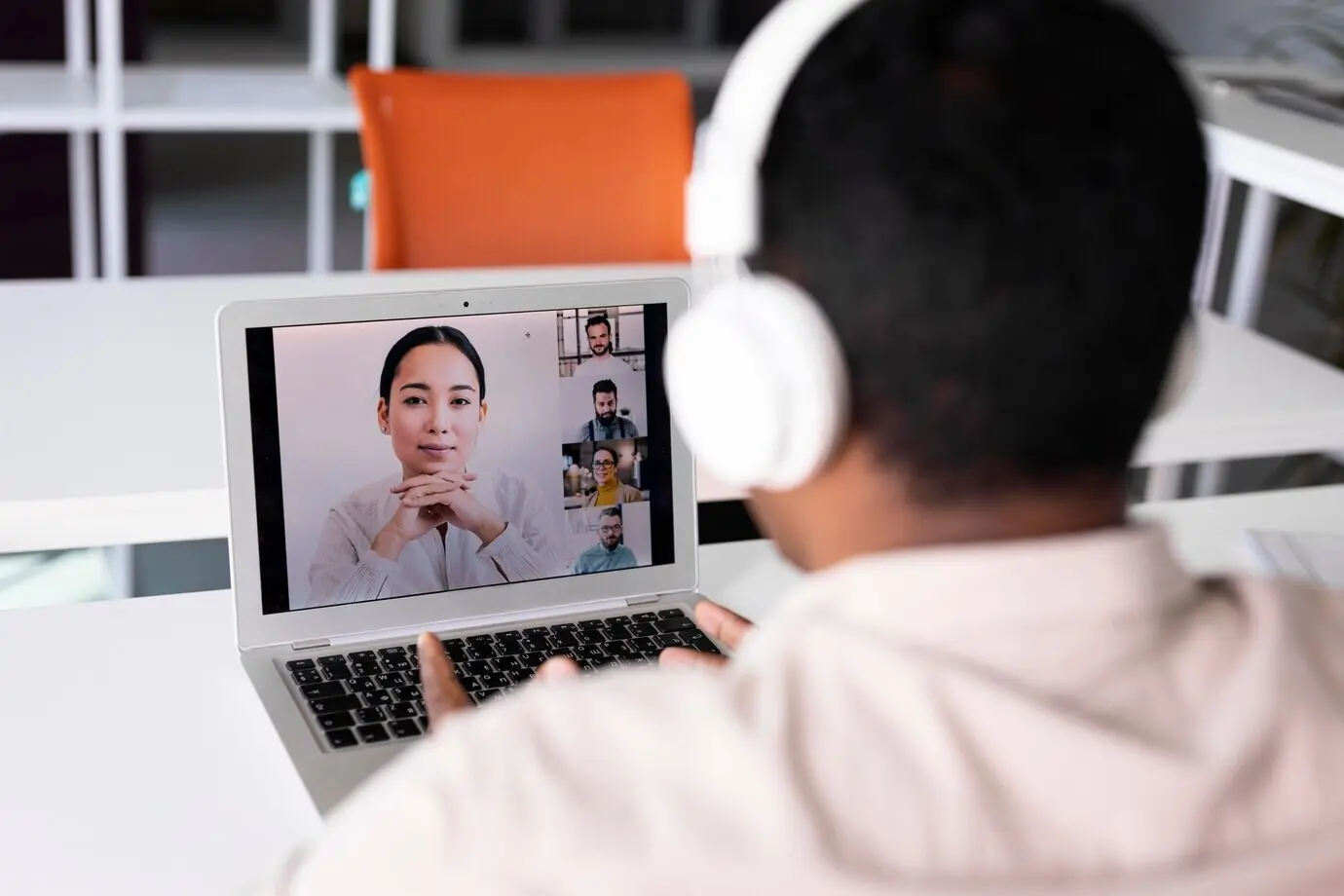
First-time remote managers practiced feedback conversations through role-play scripts and observation checklists. They learned to separate facts, feelings, and future options while protecting dignity. Peer coaching circles met asynchronously with voice notes, building camaraderie across regions. Within a quarter, pulse scores on clarity and recognition improved. Managers reported fewer sleepless nights and more productive one-on-ones anchored by shared templates and intentions.