Design Role‑Play Scenarios That Elevate Your Soft Skills

Step into a lively, practical approach where you build your own role‑play scenarios to practice soft skills with intention, fun, and measurable progress. We’ll focus on crafting adaptable situations for listening, feedback, conflict resolution, leadership, and collaboration. Expect hands‑on frameworks, relatable stories, and action prompts you can apply immediately with colleagues, classmates, or coaching groups. Share your experiments in the comments, subscribe for new scenario kits, and help shape future playbooks through your real‑world successes and lessons learned.

Why Custom Role‑Play Unlocks Real Growth

Switching roles exposes blind spots you can’t see from your usual vantage point. Playing the frustrated client, hesitant teammate, or overwhelmed manager invites compassion and nuance, revealing unmet needs beneath surface behaviors. As you inhabit different motivations, you practice balancing assertiveness with care, timing with tone, and clarity with curiosity. The result is empathy that is not sentimental, but actionable, guiding choices during tense conversations, complex negotiations, and creative collaborations.
Role‑play creates repeatable, low‑risk reps for giving and receiving feedback, so you can refine wording, pace, and body language without burning bridges. Instead of vague praise or harsh critique, structured debriefs anchor comments to observable behaviors and agreed‑upon outcomes. Participants practice asking for permission, framing intentions, and checking understanding. Over time, feedback becomes a mutual investment rather than a dreaded event, fostering trust, accountability, and continuous improvement across teams and peer groups.
Safety does not mean avoiding discomfort; it means creating conditions where discomfort leads to insight, not shame. Establish shared norms, consent around recording or note‑taking, and clear opt‑outs. Warm up with lighter scenarios, then stretch toward more challenging moments. Acknowledge emotions without pathologizing them. Celebrate effort and learning signals, not just perfect outcomes. With these rituals, participants lean into growth edges confidently, knowing that missteps are data, not identity.

Blueprint for a Scenario That Works

Great scenarios align to specific behaviors, measurable outcomes, and realistic constraints. Start with the skill you want to practice, then design a situation where that behavior is decisive. Define roles, backstories, context, and stakes. Add constraints that increase realism—limited time, incomplete information, conflicting priorities. Include catalysts like an unexpected email or shifting requirement. Finally, plan a debrief with reflection prompts and next‑step commitments. This blueprint keeps sessions focused, repeatable, and purposefully challenging while remaining respectful of participants’ boundaries.

Clarify Outcomes and Behaviors

Name exactly what success looks like: for instance, paraphrasing three key points, asking two open questions, proposing one next step, or de‑escalating visibly. Translate abstract values into observable actions. Decide which moments should trigger those behaviors. Document these expectations for all participants before you begin, ensuring a shared definition of progress. When outcomes are behavioral and concrete, you can coach precisely, track growth over time, and celebrate specific wins that transfer directly into everyday conversations.

Craft Roles, Stakes, and Context

Write short role briefs: goals, pressures, and unspoken fears. Maybe a product lead needs to ship quickly while a compliance officer protects users from risk. Include recent history, internal politics, and time constraints. Give each role private information that colors decisions. This context raises emotional realism, making choices feel consequential. Participants learn to uncover hidden stakes with curious questions, align incentives, and negotiate trade‑offs, building the muscle to navigate complexity with clarity and compassion.

Design Constraints and Catalysts

Constraints create focus. Limit meetings to ten minutes, prohibit certain phrases, or require proposals to fit a specific structure. Catalysts add movement: an urgent chat arrives, a stakeholder changes direction, or a new metric surfaces. Use sparse prompts to avoid scripting every line. These elements nudge participants toward improvisation and problem solving while maintaining clear learning boundaries. The energy rises, mistakes become discoveries, and the practice session feels as alive as the real workplace.

Soft Skills You Can Practice Today

From active listening and difficult conversations to leadership presence and collaboration, scenario‑based practice helps you rehearse precisely where you feel wobbly. Build scenes around conflict de‑escalation, alignment, and decision‑making under uncertainty. Include moments to ask better questions, surface assumptions, and summarize agreements. Emphasize signals like tone, posture, and timing. When you deliberately constrain attention to a few behaviors per session, you gain depth instead of diffusion, creating durable improvements that hold under pressure and ambiguity.

Active Listening Under Pressure

Simulate a heated update where details are messy and emotions high. Challenge yourself to paraphrase accurately, check for meaning, and name feelings without fixing prematurely. Use intentional silences and pacing to slow the spiral. Practice turning accusations into shared problems, then propose a concrete next step. Measured listening with steady presence transforms chaos into clarity, opening space for joint problem solving and renewed trust, even when timelines or expectations feel painfully tight.

Navigating Difficult Conversations

Rehearse delivering disappointing news or holding boundaries with kindness. Script your opening line, intention, and non‑negotiables. Anticipate reactions and choose responses that honor dignity while staying firm. Practice repair phrases, curiosity questions, and explicit requests. Include a closing summary that captures agreements, open questions, and follow‑ups. Over multiple reps, you’ll replace avoidance with skillful candor, earning respect while protecting relationships, standards, and sustainable pace for yourself and your collaborators.

Delegation, Ownership, and Follow‑Through

Design a scene where you must hand off a complex task with clear outcomes, constraints, and check‑ins. Practice articulating what “good” looks like, inviting suggestions, and negotiating autonomy versus guidance. Include a midway reset where scope changes. Reinforce accountability through written confirmations and a brief retro. Delegation becomes a partnership, not a dumping ground, as shared expectations reduce rework, empower contributors, and build momentum toward reliable delivery across changing priorities and evolving information.

Facilitation, Timing, and Debrief Mastery

Skilled facilitation turns playful practice into transformative learning. Set consent, goals, and timeboxes upfront. Use warmups to loosen nerves. During scenes, track behaviors, not personalities. Pause strategically for micro‑coaching. Afterward, debrief with structured questions that surface insights and concrete next steps. Encourage participants to write a short commitment they can test within a week. The loop ends by scheduling a follow‑up debrief to review evidence, reinforcing that growth is iterative and delightfully cumulative.

Remote and Hybrid Playbooks

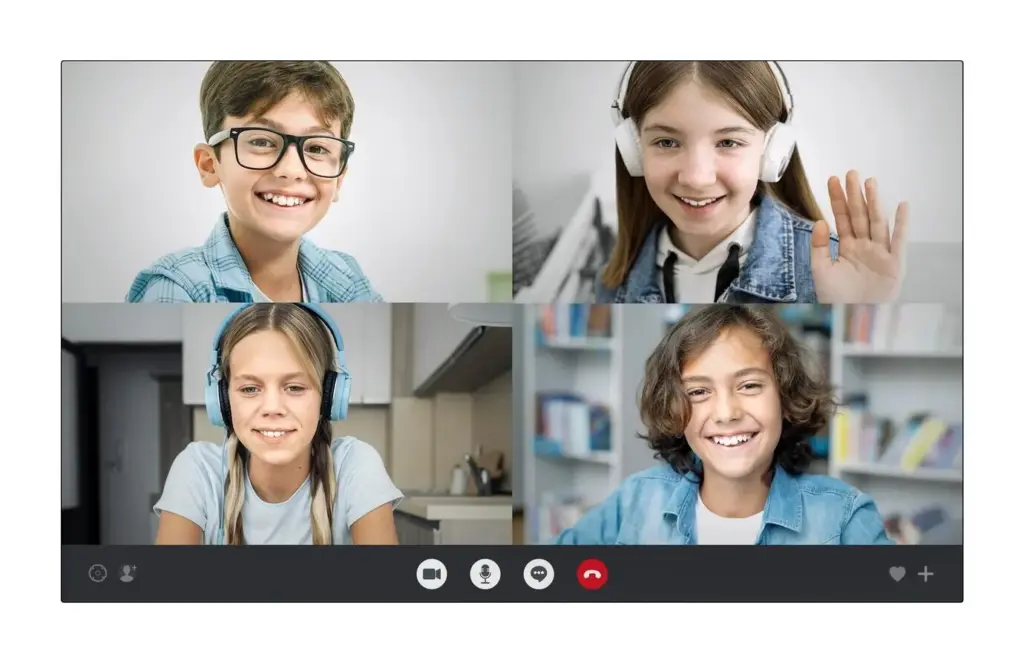
Distance does not diminish practice; it reshapes it. Use breakout rooms, shared docs, and chat backchannels to simulate realistic constraints and coordination. Establish camera norms, hand signals, and concise agendas. Leverage transcripts for analysis, with consent. Asynchronous role‑play through written prompts, voice notes, or short recordings supports global teams and diverse schedules. Debriefs can blend live and written reflections. Thoughtful tooling preserves intimacy, speeds iteration, and invites inclusive participation across time zones and bandwidth limitations.
Assign roles in advance and share briefs in a central document. Use clear timeboxes and color‑coded cues for transitions. Provide a simple observer template to collect behavior notes. Rotate rooms to mix perspectives, then reconvene for a concise, focused debrief. Small, structured spaces reduce social friction, encourage participation from quieter voices, and create psychological safety quickly. The result is lively practice that feels intentional, contained, and surprisingly energizing compared with sprawling, unfocused video calls.
Invite participants to submit a one‑minute screen or voice recording practicing an opening line or repair phrase. Peers respond with timestamped feedback anchored to specific words, tone, and pacing. Use threaded comments to explore alternatives, then schedule a short live run to test revisions. Asynchronous reps accommodate different time zones, reduce performance anxiety, and multiply practice opportunities. Over a week, small contributions accumulate into meaningful progress that translates smoothly into live conversations.

Measuring Progress With Evidence

Progress becomes undeniable when you track behaviors, not just vibes. Build a short rubric tied to your scenario’s outcomes. Before your session, capture a baseline self‑rating. Afterward, score again and compare notes with an observer. Collect qualitative examples—phrases used, reactions shifted, agreements reached. Log these snapshots over multiple sessions to spot trends. Share progress with peers for accountability and encouragement. Evidence transforms soft skills into concrete capabilities and fuels motivation to keep practicing.

Inclusion, Accessibility, and Care

Boundaries and Content Warnings

Begin by setting clear limits around subjects that are off‑bounds. Share content warnings in advance so participants can consent meaningfully or request adjustments. Invite private signals for pausing without explanation. Prioritize repair when harm occurs, even unintentionally. These practices protect dignity and create courageous space. With boundaries respected, participants can explore challenging conversations safely, transforming practice into a supportive container rather than a risky gamble with people’s wellbeing and trust.

Access for Different Needs

Offer multiple input modes—spoken, written, and visual. Provide transcripts, slides, and role briefs in advance. Allow cameras‑off participation and typed dialogue if helpful. Build in processing time, predictable structures, and sensory considerations. Encourage co‑created norms that meet the group where it is. Accessibility is not a favor; it is a design choice that unlocks richer contributions, deeper psychological safety, and more robust learning for everyone in the room, regardless of differences.

Language, Culture, and Bias

Words carry histories. Avoid jargon that excludes, and be cautious with humor that may not translate. Invite participants to flag microaggressions and stereotypes gently but clearly. When missteps happen, model repair through acknowledgment, curiosity, and updated choices. Include scenarios that broaden representation without essentializing anyone. Over time, this attention cultivates a respectful environment where learning accelerates because people feel seen, valued, and safe enough to stretch meaningfully beyond familiar patterns.
Hatalihovepulimi
Privacy Overview

This website uses cookies so that we can provide you with the best user experience possible. Cookie information is stored in your browser and performs functions such as recognising you when you return to our website and helping our team to understand which sections of the website you find most interesting and useful.